How to Find Your Color Season: A Complete Guide to Your Perfect Palette
Have you ever wondered why certain colors make you look radiant while others leave you looking tired? The answer often lies in your what is my color season – a system that categorizes your natural coloring into one of four seasonal palettes: Spring, Summer, Autumn, or Winter. By understanding your color season, you can choose clothing, makeup, and hair colors that harmonize with your skin tone, eye color, and hair color, creating a cohesive and flattering look. This guide will walk you through everything you need to know about discovering your color season, from the basics to practical tips for applying it to your everyday life.
What Is Color Season Analysis?
Color season analysis is a method used by stylists and beauty experts to determine which colors complement your natural features best. It is based on the idea that every person has a unique combination of undertones, contrast levels, and intensity that aligns with one of the four seasons. The system was popularized in the 1980s and has since evolved into a sophisticated tool for personal styling. When you know your season, you can build a wardrobe and beauty routine that enhances your natural beauty without guesswork. Many online tools, such as the Color Analysis by BeautyLiesTruth – color season analysis – color analysis – color analysis quiz – Links, offer a convenient way to start your journey.
The Four Color Seasons Explained
Each season represents a set of colors that share similar characteristics. Spring and Summer are generally lighter and softer, while Autumn and Winter are deeper and more intense. Within each season, there are also subcategories that refine the palette further.
Spring
Spring colors are warm, bright, and fresh. Think of peach, coral, golden yellow, and warm greens. People with spring coloring often have warm undertones, light to medium hair, and bright eyes. If you look best in clear, cheerful colors, you might be a Spring.
Summer
Summer palettes are cool, muted, and soft. Colors like dusty blue, rose pink, lavender, and soft grey flatter those with cool undertones and lighter features. If you prefer pastels and muted shades over vivid ones, Summer could be your season. Color Analysis by BeautyLiesTruth
Autumn
Autumn colors are warm, earthy, and rich. Think of rust, olive, mustard, and warm browns. People with autumn coloring often have golden or red undertones, and they look stunning in nature-inspired hues. If you love earthy tones, Autumn might be your match.
Winter
Winter palettes are cool, bold, and high-contrast. Colors like true red, royal blue, emerald green, and black are signature winter shades. Those with winter coloring usually have cool undertones and dark hair, and they can carry intense colors with ease. If you look great in stark black and white, Winter is likely your season.
How to Determine Your Color Season
There are several methods to find your color season, from professional consultations to online quizzes. Here are the most common approaches:
Professional Color Analysis
A professional analyst will drape you in various fabrics to see which colors brighten your skin and which ones wash you out. This is the most accurate method but can be costly and time-consuming. If you prefer a DIY approach, you can try a color analysis online tool that uses similar principles. color season analysis
Online Quizzes
Online quizzes are a popular and free way to get a preliminary idea of your season. They ask questions about your skin tone, eye color, hair color, and how you react to certain colors. The color analysis quiz from BeautyLiesTruth is designed to be user-friendly and provides instant results. It’s a great starting point if you’re new to the concept.
DIY Color Draping at Home
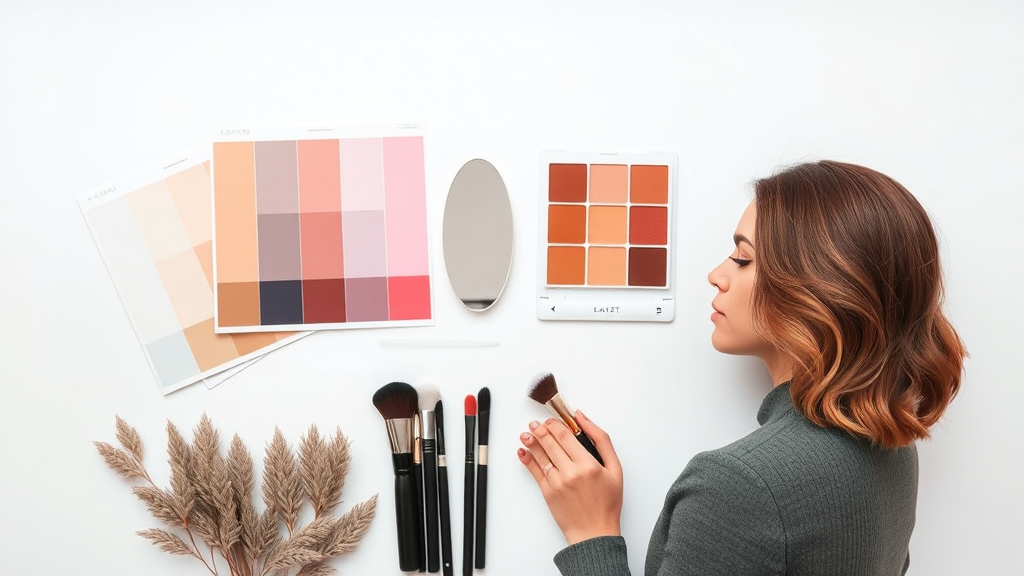
You can also do a simplified version of color draping at home. Gather fabrics or clothing in different colors, and hold them under your chin in natural light. Observe which shades make your skin look clearer and your eyes brighter. This can help you narrow down your season without any fancy equipment.
Key Factors in Color Season Analysis
To accurately determine your color season, you need to consider three main factors: undertone, contrast, and intensity.
Undertone
Undertone is the subtle hue beneath your skin’s surface. It can be warm (yellow, peach, golden), cool (pink, blue, red), or neutral. A simple way to check is to look at the veins on your wrist: if they appear green, you likely have warm undertones; if they appear blue or purple, you have cool undertones. Your undertone is the foundation of your color season. color analysis
Contrast
Contrast refers to the difference between your hair, skin, and eye colors. High contrast means there’s a significant difference, like dark hair against pale skin. Low contrast means the colors are closer together, like light brown hair and medium skin. Contrast influences which colors will stand out or blend with your features.
Intensity
Intensity describes how bright or muted your natural coloring is. Some people have very clear, bright features, while others have softer, more muted tones. This helps determine whether you should wear vivid colors or dusty, toned-down shades.
Applying Your Color Season to Your Style
Once you discover your color season, you can use it to guide your fashion, makeup, and hair choices. Here’s how to apply your palette in different areas:
Fashion
Build a capsule wardrobe around your season’s colors. For example, if you’re an Autumn, you might choose camel coats, olive tops, and rust-colored dresses. A color analysis fashion guide can help you find specific shades that work for you. When shopping, look for pieces that fall within your palette, and you’ll find that mixing and matching becomes effortless. seasonal color analysis
Makeup
Your color season can also guide your makeup choices. For instance, a Summer might opt for cool-toned pink blush and mauve lipstick, while a Spring could go for peach and coral. A color analysis makeup consultation can provide personalized recommendations. Even your foundation shade can be adjusted to match your undertone.
Hair Color
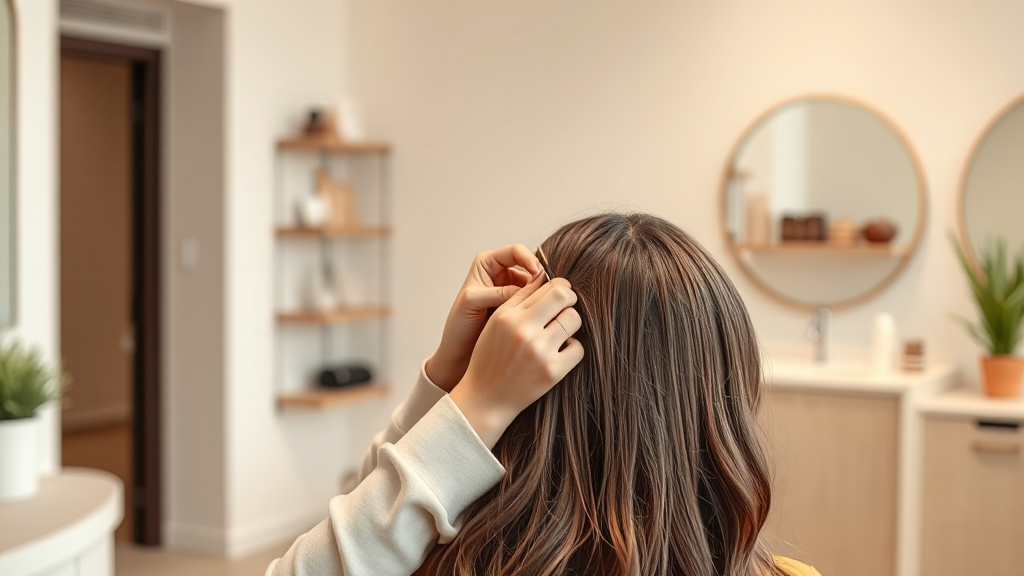
If you’re considering a hair color change, your season can help you choose a shade that complements your skin. For example, a Winter might look great with jet black or platinum blonde, while an Autumn would suit warm chestnut or copper. A color analysis hair guide can be invaluable before your next salon visit.
Common Mistakes and Misconceptions
Many people make mistakes when trying to find their color season. Here are a few to avoid:
- Relying on hair color alone: Your natural hair color is a factor, but it’s not the only one. Your skin undertone and eye color matter just as much.
- Ignoring undertone: Some people confuse their season because they focus on whether they look better in warm or cool colors, but undertone is the key.
- Using poor lighting: Checking colors under artificial light can distort your perception. Always use natural daylight.
- Getting stuck on one season: Some people find they fall between two seasons. That’s okay – you can borrow colors from adjacent palettes.
Benefits of Knowing Your Color Season
Understanding your color season has numerous benefits beyond just looking good. It can save you money by preventing impulse buys that don’t suit you, save time when shopping, and boost your confidence because you always know what works. It also simplifies your beauty routine, from choosing the right foundation to picking a lipstick that enhances your smile. A color analysis personal experience can be truly transformative. find my color season
Online Color Analysis Tools
If you’re not ready for a professional consultation, online tools are a convenient alternative. Many websites offer free color analysis free quizzes, and some even provide color analysis no photo options, so you don’t need to upload a picture. These quizzes ask a series of questions about your features and preferences, then suggest your most likely season. While they aren’t as accurate as a professional draping, they can give you a solid starting point.
Popular Color Analysis Quizzes
There are many quizzes available online, but not all are created equal. Look for ones that ask detailed questions about your skin undertone, eye color, and how certain colors make you feel. The color analysis quiz online from BeautyLiesTruth is a great example because it’s designed by beauty experts and covers all the necessary factors. It’s also free and takes just a few minutes.
Color Analysis for Different Audiences
Color analysis isn’t just for women. Men can also benefit from knowing their season, especially when building a professional wardrobe. There are color analysis quiz for men that focus on masculine color palettes. Similarly, color analysis quiz for women often include makeup and hair recommendations. No matter your gender, understanding your season can improve your style.
Specific Considerations for Skin Tone, Hair, Eyes, Makeup, and Fashion
Your skin tone is the most critical factor in color analysis. color analysis for skin tone helps you determine whether you have warm, cool, or neutral undertones. Your hair color also plays a role, especially when considering dye jobs. color analysis quiz for hair can guide you toward flattering shades. Eye color is another clue – certain eye colors pop with specific palettes. color analysis quiz for eyes can help you identify which colors make your eyes stand out. For makeup, color analysis quiz for makeup will suggest blushes, lipsticks, and eyeshadows that complement your season. Finally, color analysis quiz for fashion can help you build a versatile wardrobe that makes dressing easy. color analysis quiz no photo
How to Get the Most Accurate Results
To get the most accurate results from an online quiz, follow these tips:
- Take the quiz in natural light.
- Answer honestly, not based on what you wish you looked like.
- Wear no makeup and cover your hair with a white towel if possible.
- Use a mirror to compare your skin to the color swatches.
If you’re still unsure, consider a professional consultation. Many salons, like BeautyLiesTruth, offer color analysis style services that can give you a definitive answer.
Frequently Asked Questions
How do I know my color season without a photo?
You can use a color analysis no photo quiz that relies on written questions about your skin undertone, hair color, and eye color. These quizzes are designed to work without an image.
Can my color season change over time?
Your natural coloring can shift slightly with age, but your core season usually remains the same. However, if you dye your hair or get a tan, you might temporarily feel like a different season. It’s best to base your analysis on your natural features. color analysis quiz for skin tone
What if I don’t fit perfectly into one season?
Many people are a blend of two seasons. For example, you might be a Soft Autumn or a Bright Spring. In that case, you can mix colors from both palettes. A color analysis test can help you identify your dominant season, but don’t be afraid to experiment.
Is color analysis only about clothing?
No, color analysis applies to makeup, hair color, and even accessories. It can also guide your choice of eyeglasses, jewelry, and nail polish. A color palette quiz can give you a full spectrum of colors to use in all aspects of your appearance.
Conclusion
Discovering your color season is a powerful step toward a more confident and cohesive personal style. Whether you use a color analysis quiz free online or invest in a professional session, the knowledge you gain will help you make smarter choices in fashion, beauty, and beyond. Start with a color season quiz to get a quick answer, then explore the full palette that suits you best. Remember, the goal is not to restrict yourself but to empower you with a framework that makes getting dressed and doing your makeup easier and more enjoyable. So, are you ready to find your true colors?